
Varicose Veins
Varicose veins are enlarged, bluish, or twisted veins that often appear on your legs. They develop for a variety of reasons and can feel painful or make you feel self-conscious
What are the risk factors for varicose veins?
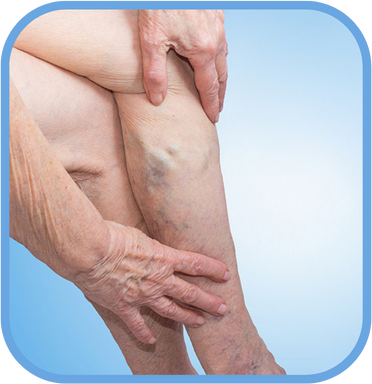 Some of the risk factors associated with varicose veins:
Family history of varicose veins
Pregnancy
Female gender
Aging
Obesity
Standing or Sitting for prolonged periods
What are the symptoms of varicose veins?
Common signs and symptoms you could experience if you have varicose veins include:
Bulging or twisted veins
Blue or purple visible veins
Cord-like veins
Leg aching
Burning
Throbbing discomfort
Cramping
Leg swelling
Itchy or burning of skin
Discoloration of skin
How to diagnose varicose veins or related conditions?
Diagnoses include performing comprehensive medical history and physical examination. May recommend complete urine tests, blood tests, cardiac screening, vascular ultrasounds, or other imaging procedures to make a final diagnosis and develop an effective treatment plan.
What are common treatment of Varicose Veins or related conditions?
Ways to reduce your risk of developing varicose veins or related disorders include elevating your legs, smoking cessation, eating nutritious foods, exercising regularly, and maintaining a healthy body weight.
A: Healthy life style modification and conservative measures:
Watchful waiting
Dietary changes
Medications
Healthy weight management
Exercise regularly
Smoking cessation
Compression stockings
Properly control your blood pressure, blood cholesterol, and blood sugar
B: Minimally invasive interventions:
Radiofrequency ablation
Sclerotherapy
ClariVein®
VenaSeal™
Laser vein treatment
VeinRx specialist can customize each treatment plan based on your needs, to reduce to risk of complication and improve outcome.
If you are dealing with Varicose Veins, VeinRx sounds like a place that prioritize personalized care. Call VeinRx or book online for consultation.
Are you experiencing these symptoms?